ICOM IC-A25N Handheld NAV/COM Transceiver w/ Bluetooth – Open Box: Portable Aviation Radio
ICOM IC-A25N Handheld NAV/COM Transceiver w/ Bluetooth – Open Box: Portable Aviation Radio
Blog Article
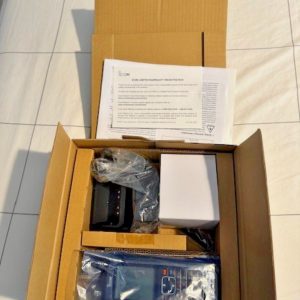
:::writingvariant="document" id="58314" ICOM IC-A25N Handheld NAV/COM Transceiver w/ Bluetooth – Open Box: Professional Aviation Backup Radio The ICOM IC-A25N Handheld NAV/COM Transceiver w/ Bluetooth – Open Box is a versatile communication and navigation device for pilots, flight instructors, aircraft operators, aviation students, and ground personnel who require dependable portable radio capability. A carefully inspected open-box package can offer the operational benefits of a premium handheld aviation radio while helping owners control equipment costs. The ICOM IC-A25N Handheld NAV is suitable for users who want portable access to communication and navigation-related functions during flight preparation, cockpit operations, instruction, emergency planning, or airport ground activities. A capable ICOM IC-A25N Aviation Radio can provide additional confidence during flights, training activities, maintenance events, and ground operations. An ICOM IC-A25N Handheld Radio offers mobility that panel-mounted equipment cannot provide, allowing users to communicate from the aircraft, ramp, hangar, or operations area. Choosing a Handheld NAV/COM Aviation Transceiver can support organized flight preparation, backup planning, and portable cockpit communication. Whether the device will function as a Handheld Aviation Radio, Aviation NAV/COM Radio, Pilot Handheld Radio, or Aircraft Communication Radio, users should become familiar with its controls before relying on it. The product can support pilots seeking a Portable Aviation Transceiver, Aviation Navigation Radio, ICOM Pilot Radio, or dependable Backup Aircraft Radio.
Understanding the ICOM IC-A25N Handheld NAV/COM Transceiver
A multifunction handheld radio can provide useful redundancy and flexibility for pilots who regularly operate in different aircraft or environments. The IC-A25N may appeal to users who prioritize strong construction, straightforward operation, and access to aviation functions away from the instrument panel. The radio may perform very effectively in some environments while experiencing reduced range inside certain aircraft or buildings. Operators should include the radio in normal equipment checks so batteries, accessories, and settings remain ready for use.ICOM IC-A25N Handheld NAV Features
The ICOM IC-A25N Handheld NAV can support pilots who want portable access to aviation communication and navigation information during flight preparation or cockpit operations. Ground personnel can use an appropriate handheld radio for monitoring or coordination where local click here procedures and regulations allow. The handheld radio should be operated according to the manufacturer’s instructions and integrated responsibly into the pilot’s overall workflow. Organized cockpit placement improves access while protecting the radio from impact, movement, moisture, and accidental activation.Benefits of an ICOM IC-A25N Aviation Radio
A portable aviation radio provides flexibility to owners, instructors, technicians, and operators who require communication across multiple aviation settings. Pilots attending fly-ins or traveling through unfamiliar airports may appreciate having portable access to communication frequencies. An open-box product should be evaluated carefully even when it appears unused or lightly handled. Testing should occur in a lawful and appropriate manner without creating unauthorized transmissions or interfering with aviation communications.Portable Benefits of the ICOM IC-A25N Handheld Radio
A compact radio can remain in a flight bag alongside headsets, charts, flashlights, batteries, and other essential pilot equipment. Responsible storage preserves physical condition and improves the likelihood that the radio will function correctly when needed. Preparation outside the aircraft supports more confident, efficient, and less distracting use during actual operations. A portable radio should not be left in extreme heat, direct sunlight, freezing conditions, or damp environments for extended periods.Using a Handheld NAV/COM Aviation Transceiver
The device may be especially valuable to pilots who operate older aircraft, rented aircraft, or airplanes with limited redundancy. Commercial value depends on condition, package completeness, included equipment, seller support, and the cost of any missing accessories. Stored frequencies and settings should be reviewed periodically so outdated information does not create confusion. The antenna, battery, charger, headset adapter, belt clip, and other accessories should remain organized with the radio.Handheld Aviation Radio Applications
A handheld aviation device can support monitoring and communication activities from the cockpit, ramp, hangar, or operations office. Backup capability may help pilots maintain access to important communication options while managing an abnormal situation appropriately. Users may experience improved range when the antenna has a clear position compared with operation deep inside a metal airframe or enclosed structure. Professional radio discipline includes listening carefully, transmitting clearly, using appropriate terminology, and keeping messages relevant.Using an Aviation NAV/COM Radio
An integrated aviation radio can provide a convenient secondary tool during flight planning, cockpit preparation, and selected in-flight operations. Menu familiarity, memory organization, display interpretation, audio control, and Bluetooth setup can improve efficient operation. The radio’s navigation-related functions should be used within the limits described by the manufacturer and the requirements of the intended operation. Before departure, pilots should confirm that the radio is charged, correctly configured, securely stored, and easy to reach.Choosing a Pilot Handheld Radio
Pilots may carry a handheld radio as part of a broader emergency kit that includes lights, power supplies, charts, tools, and survival equipment appropriate to the flight. Pilots should decide before departure where the radio will be located and how it will be retrieved during an abnormal situation. Training may also include using the radio with gloves, in reduced light, with a headset, or in a noisy cockpit environment. Responsible power management is central to maintaining a dependable Pilot Handheld Radio.Aircraft Communication Radio Benefits
A handheld radio may provide additional flexibility during aircraft demonstrations, test preparation, delivery operations, or extended maintenance events. A strong transceiver cannot compensate for poor microphone technique, excessive background noise, incorrect frequency selection, or unclear messages. Buildings and hangar structures can also reduce radio performance during ground use. Users should stop relying on the unit if it displays intermittent function or unexplained shutdowns until the concern is resolved.Maintaining a Portable Aviation Transceiver
The ability to carry the radio personally helps operators maintain access to familiar controls and stored settings. A protective case can separate the radio from tools, keys, metal objects, liquids, and heavy equipment inside a flight bag. Users should understand how to disconnect or change the wireless connection if audio is routed incorrectly during operation. Wireless convenience should not replace disciplined equipment checks and familiarity with standard radio controls.Aviation Communication Device Applications
An Aviation Communication Device should provide clear operation, accessible controls, dependable power, suitable audio, and practical compatibility with the user’s aviation environment. An open box may result from display, return, inspection, testing, damaged packaging, or another non-operational reason. Organized equipment management helps ensure that the radio remains available and serviceable for the next user. A well-managed Aviation Communication Device can support efficient and dependable operations across many aviation roles.Handheld Aircraft Radio Applications
The device may also support pilots at airports where communication must begin before the aircraft electrical system is activated. Using the radio on the ground can preserve aircraft battery power and reduce the need to energize installed avionics solely for monitoring or coordination. A handheld radio should not be placed on an unstable surface where turbulence or maneuvering could send it across the cockpit. Charging ports and connectors should remain dry and free from debris before accessories are attached.Aviation Navigation Radio Applications
A combined navigation and communication unit can help pilots maintain familiarity with one device rather than carrying unrelated portable tools. Pilots should confirm which navigation functions are available, how they operate, and what limitations apply before relying on them. A handheld radio should not be treated as a substitute for equipment or procedures required by regulation, aircraft approval, or operating conditions. The manual and quick-reference information should be available until the pilot can use important functions confidently.ICOM Pilot Radio Applications
An ICOM Pilot Radio can appeal to aviation users who value an established communications manufacturer, aviation-focused controls, portable construction, and practical accessory support. Accessories, manuals, packaging, warranty eligibility, and previous registration may affect the practical and commercial value of the radio. Buyers should compare the offered radio with their headset, Bluetooth devices, aircraft environment, charging resources, and expected operating frequency. Responsible ownership allows an ICOM Pilot Radio to remain a useful communication and navigation resource for many aviation activities.Emergency Aviation Radio Preparedness
An Emergency Aviation Radio can provide an additional communication option when installed aircraft equipment becomes unavailable because of electrical, equipment, or operational problems. A written quick-reference guide may help, but it should remain simple enough to use without creating distraction. Bluetooth or wired audio arrangements should be tested before flight and should not be assumed to work automatically during an emergency. Preparedness transforms an Emergency Aviation Radio from a stored accessory into a meaningful backup communication tool.Choosing a Backup Aircraft Radio
Pilots who operate several aircraft can carry the same Backup Aircraft Radio and remain familiar with its controls across different cockpit layouts. Stored batteries can lose capacity, accessories can become misplaced, settings can change, and physical damage may go unnoticed. A dedicated flight-bag pocket, protective mount, or secured cockpit storage area may provide suitable access. Backup planning should also consider how the aircraft will be flown, navigated, and managed while the pilot is using the portable radio.Open-Box ICOM IC-A25N Purchase Checklist
Connectors and charging contacts should appear clean, straight, secure, and free from corrosion or contamination. The seller should identify whether original packaging, manuals, warranty materials, and product registration documents remain available. Navigation and communication menus should respond normally without freezing, unexpected shutdowns, or intermittent controls. Remote transactions should use secure payment, documented terms, careful packaging, shipment tracking, and clear inspection or return conditions.Long-Term Ownership of an ICOM IC-A25N
Long-term reliability depends on battery care, protected storage, correct charging, careful antenna handling, clean connectors, updated familiarity, and prompt attention to operating concerns. Any change in audio, charging, battery life, control response, display quality, Bluetooth operation, or power stability should be investigated.- Check for cracks, loose parts, damaged buttons, display concerns, weak battery performance, antenna damage, charging problems, and missing accessories.
- Test the complete communication setup in an appropriate manner and understand how to use the radio without Bluetooth if needed.
- Record any missing component, operating concern, battery issue, or required service before returning the radio to backup status.